
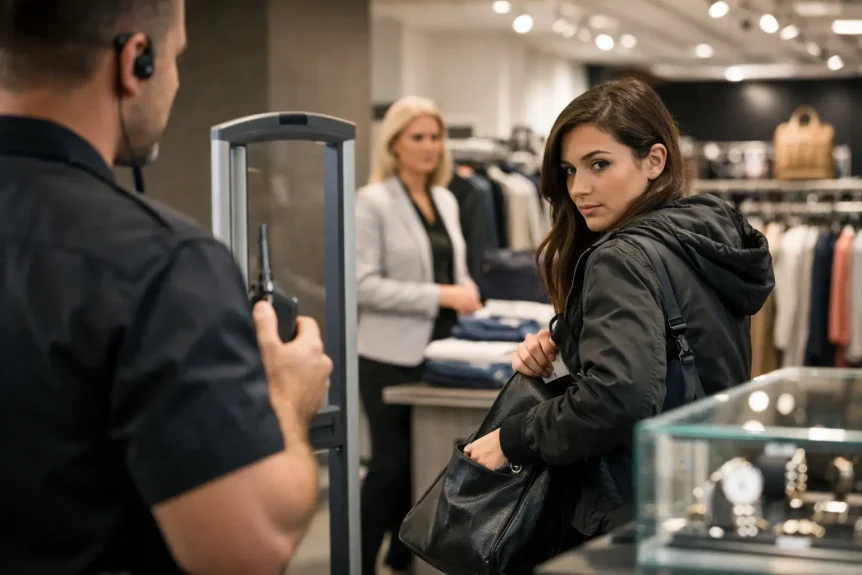
A single high-value item removed from a shelf is rarely the full cost of a theft incident. There is the lost margin, staff distraction, damaged stock, disrupted customers, reporting time and, in some cases, a real threat to employee safety. Retail theft prevention services should therefore be designed to protect people and operational integrity first, then reduce loss through a disciplined, evidence-led approach.
For New Zealand retailers, the challenge is not simply placing a guard at the entrance. Theft methods vary between locations, trading hours, product categories and offender profiles. A premium boutique, liquor retailer, pharmacy, large-format store and construction-supply outlet each face different vulnerabilities. Effective protection starts with understanding those differences and applying the right level of visible deterrence, discreet observation and response capability.
What Retail Theft Prevention Services Must Achieve
Retail loss prevention is often treated as a narrow guarding requirement. That approach can create a reassuring presence, but presence alone does not always address the conditions that allow loss to occur. Poor sightlines, inconsistent staff procedures, predictable patrol routines, weak stock controls and repeat offending can all undermine a security deployment.
A properly managed service considers the full operating environment. It assesses how people enter and leave the premises, where high-risk products are displayed, when staff are most exposed, how incidents are currently recorded and whether known patterns exist across multiple sites. The result should be a practical security posture that reduces opportunity without making legitimate customers feel unwelcome.
The objectives are clear: deter opportunistic theft, identify suspicious behaviour early, respond lawfully and professionally, preserve evidence, support staff and provide management with reliable intelligence. These outcomes need to work together. An aggressive approach may create unnecessary conflict and reputational risk, while an overly passive one can signal that theft is tolerated.
Retail Theft Prevention Services Need More Than a Uniform
A uniformed security officer can be a strong deterrent, particularly in locations experiencing frequent opportunistic theft, antisocial behaviour or staff intimidation. Visibility reassures employees and makes it harder for offenders to act unnoticed. However, visibility works best when it is purposeful rather than static.
Professional officers should understand the store layout, high-risk stock, customer flow, emergency procedures and escalation thresholds. They need to remain approachable to genuine customers while maintaining alert observation. A guard who stands in one place for an entire shift may satisfy a roster requirement, but may not meaningfully reduce risk.
There are situations where discreet personnel or plain-clothes observation are more effective. Organised retail crime, repeat offenders and internal theft concerns may require a lower-profile approach. This is where trained investigators, intelligence gathering and careful evidence management become particularly valuable. The appropriate model depends on the risk assessment, not on a one-size-fits-all security package.
The value of intelligence-led deployment
Theft usually leaves patterns. Incidents may increase on particular days, cluster around certain product lines or involve the same methods across several branches. Security records, CCTV observations, staff reports and incident outcomes can reveal where a deployment should be strengthened, changed or reduced.
An intelligence-led provider does not merely report that an incident occurred. It examines what happened, why it was possible and what measure is most likely to prevent recurrence. That may involve changing patrol timing, repositioning personnel, improving staff reporting, adjusting product displays or coordinating an investigation into repeat offending.
This approach also avoids wasting budget. A retailer may not require a permanent security presence across every trading hour. In some cases, targeted coverage during high-risk periods, supported by mobile patrols and remote monitoring, is the more effective option. In other locations, sustained on-site protection is justified because staff safety and asset exposure demand it.
Build a Lawful, Consistent Incident Response
The moment a theft is suspected is where weak procedures become costly. Employees may feel pressured to intervene, evidence may be lost, or a confrontation can escalate rapidly. Retailers need a response plan that is clear enough to follow under pressure and aligned with lawful practice.
Staff should know who to notify, what information to record and when not to engage. Security personnel should be trained to assess behaviour, communicate calmly, call for assistance where required and protect staff and customers from harm. Every incident does not warrant the same response. A suspected low-value theft by a person leaving the store is different from coordinated offending, threats, violence or a person carrying a weapon.
Good incident reporting is not administrative clutter. Accurate descriptions, times, vehicle details, product information, CCTV references and witness accounts can support police engagement, civil recovery processes where appropriate, insurance requirements and future risk analysis. Consistency matters because incomplete records make repeat patterns harder to identify.
Staff safety is not negotiable
No item of stock is worth a staff member being assaulted or placed in avoidable danger. Retail theft prevention must set firm boundaries around intervention, especially where a person is aggressive, impaired, accompanied by others or attempting to leave quickly.
Security officers provide a controlled point of response, but they are not a substitute for sound workplace procedures. Managers should ensure staff know that reporting suspicious conduct and seeking support is the expected action. Staff should never be encouraged to chase, physically confront or take unnecessary risks to recover merchandise.
Reduce Opportunity Through Store Design and Process
Security works best when it is supported by the physical environment and everyday retail discipline. Lighting, line of sight, product placement, controlled access points and tidy displays all influence how easily theft can occur undetected. These are operational decisions as much as design decisions.
High-value, easily concealed or frequently targeted products may need secure displays, controlled release or placement within clear view of staff. Fitting rooms, loading areas, stockrooms and rear exits also require attention. A busy sales floor can conceal suspicious behaviour, while an unmanaged delivery area can create a route for loss that has little to do with customer theft.
Staff presence remains valuable. A genuine greeting, an offer of assistance and regular floor engagement can deter opportunistic offending without creating an unwelcoming atmosphere. The intention is not to treat every customer as a suspect. It is to make clear that the store is actively managed and that unusual behaviour will be noticed.
Internal loss deserves the same measured attention. Poor key control, weak receiving procedures, casual stock adjustments and inadequate separation of duties can expose a business to significant loss. Investigations in this area must be discreet, fair and based on evidence. Assumptions can harm morale and create legal exposure, particularly where staff are wrongly accused.
Selecting the Right Security Partner
Retailers should look beyond headcount and hourly rates when assessing a provider. The quality of personnel, supervisory oversight, licensing, incident management and ability to scale during elevated risk periods will have a direct effect on outcomes.
A capable security partner will ask detailed questions before proposing a deployment. They should want to understand the location, store format, previous incidents, staffing model, product profile, trading schedule and escalation expectations. They should also be able to provide trained personnel who can represent the business professionally in a public-facing environment.
For complex or high-risk retail operations, the provider should be able to bring together guarding, risk assessment, private investigation and operational planning. This is particularly relevant for multi-site retailers, businesses experiencing repeat offending, premium brands protecting high-value stock, and sites where staff have faced intimidation or violence.
TNG Security applies this integrated model through government-licensed personnel, disciplined operational management and sophisticated handling of security and investigation requirements. The focus is not simply on placing a person at a door. It is on maintaining control of the risk environment with absolute precision and uncompromised professional standards.
Measure What Is Changing
Theft prevention should be reviewed against evidence, not assumptions. Incident numbers are useful, but they do not tell the entire story. A decrease in reported theft may indicate stronger control, or it may mean staff have stopped reporting because the process is unclear or time-consuming.
Management should examine loss trends alongside incident quality, staff confidence, response times, recovered stock, repeat offender activity, violent or threatening events and customer feedback. The aim is to understand whether the service is reducing actual risk while preserving a professional retail experience.
Regular reviews allow security measures to evolve. A deployment that was appropriate during a period of elevated offending may be adjusted once conditions improve. Conversely, a sudden pattern of organised theft may call for additional coverage, investigation support or a change in store procedures. Risk is not static, and neither should the security plan be.
The right protection is felt in a calmer shop floor, confident staff and fewer opportunities for loss. When retail security is planned around the realities of your operation rather than a generic roster, it becomes a disciplined safeguard for the people, assets and reputation your business depends on.