
A late-night incident at a construction site, an aggressive patron at a licensed venue, or an unauthorised visitor reaching a corporate floor can change an ordinary operating day in minutes. The question of when are security guards required is therefore not simply about having a uniformed presence at the door. It is about deciding when a credible protective capability is necessary to control a known risk, meet an obligation and preserve operational integrity.
For New Zealand organisations, the answer is rarely a single rule. Some deployments arise from contractual, licensing or event conditions. Many more arise because a business has identified a realistic risk to people, property, information or reputation and needs a proportionate means of managing it.
When Are Security Guards Legally Required?
New Zealand law does not impose a universal requirement for every business, office, retail site or private event to employ security guards. A low-risk professional office, for example, may be able to manage visitor access, emergency procedures and staff safety without a permanent guard force.
However, organisations still have duties under health and safety law to identify and manage reasonably foreseeable risks to workers and others affected by their operations. Where violence, theft, trespass, public disorder, targeted harassment or access to hazardous assets are foreseeable, security may form part of the required control measures. The appropriate response depends on the level of exposure. In some environments, locks, access control and staff procedures may be sufficient. In others, trained personnel are the only credible way to prevent or respond to an incident.
There are also circumstances where a guard presence may be imposed through a condition rather than a general statute. A venue operator may have security obligations under its lease, insurer, council consent, client contract or event permit. A principal contractor may require controlled access and after-hours patrols on a major project. Government and critical-infrastructure clients may set explicit standards for screening, escorting visitors, incident reporting and protection of sensitive areas.
Where security work is being performed, the personnel and provider must meet the applicable requirements of the Private Security Personnel and Private Investigators Act 2010. That includes the appropriate licensing framework for security guards, crowd controllers and other regulated roles. A person in a high-visibility vest is not automatically a qualified security professional. Competence, authorisation, supervision and clear operating authority matter.
Risk Triggers That Usually Justify Security Guards
The practical decision usually begins before an incident occurs. Security guards are required, or strongly warranted, when the consequences of an unmanaged incident are too serious for staff to carry alone or for passive measures to control.
Public-facing locations with a history of confrontation
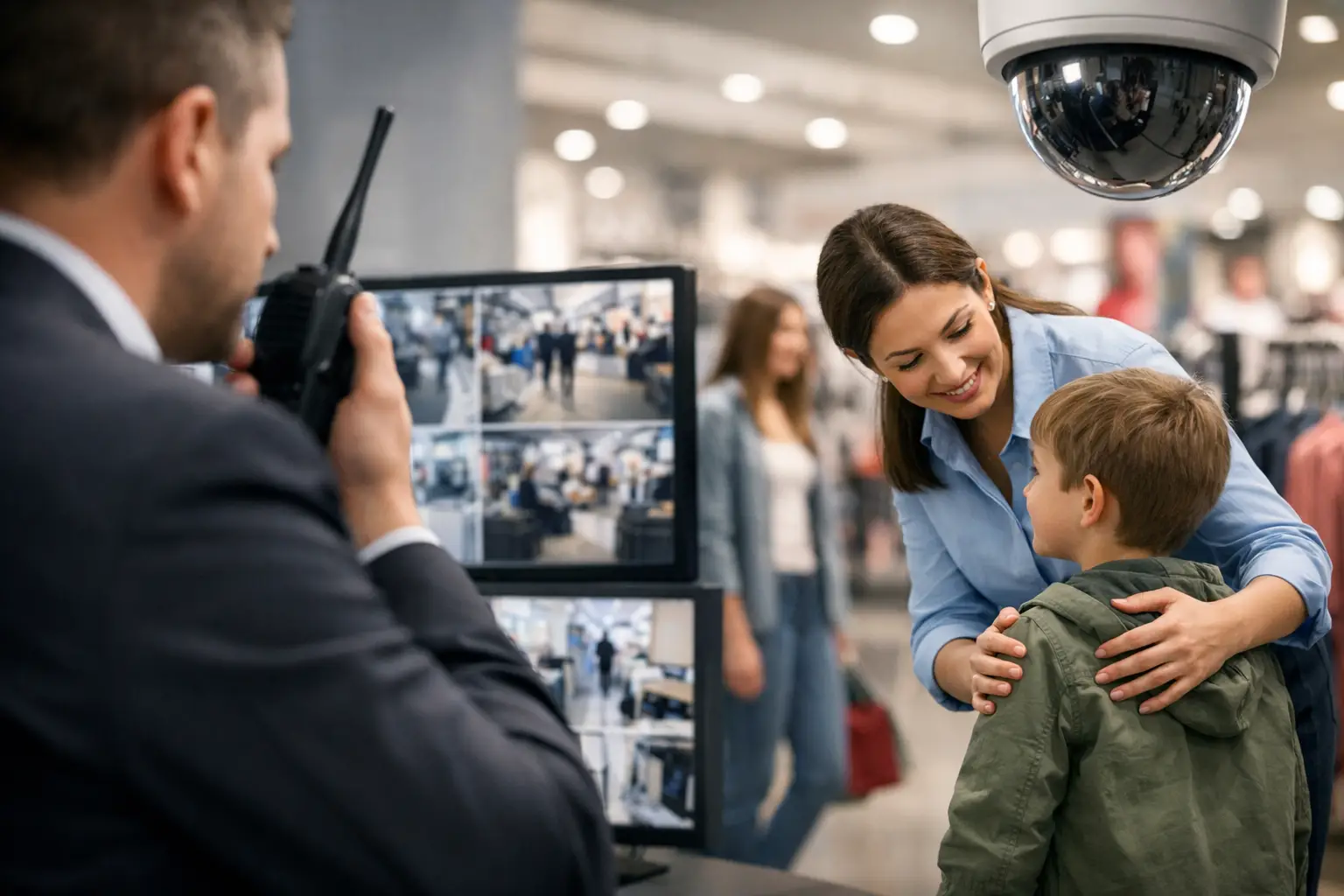
Retailers, health facilities, transport environments, hospitality venues and customer service sites can face verbal abuse, theft, intoxication, family violence spillover or unpredictable behavioural incidents. Frontline staff should not be expected to physically manage confrontation, make difficult removals or place themselves between hostile parties.
A trained guard provides a measured authority presence, early intervention and disciplined escalation. This can reduce harm to staff and customers while allowing the organisation to continue operating. The guard’s role must be clearly defined, however. A visible deterrent at an entrance is different from an officer tasked with patrols, incident management, access control and liaison with Police.
Events where crowd behaviour can change quickly
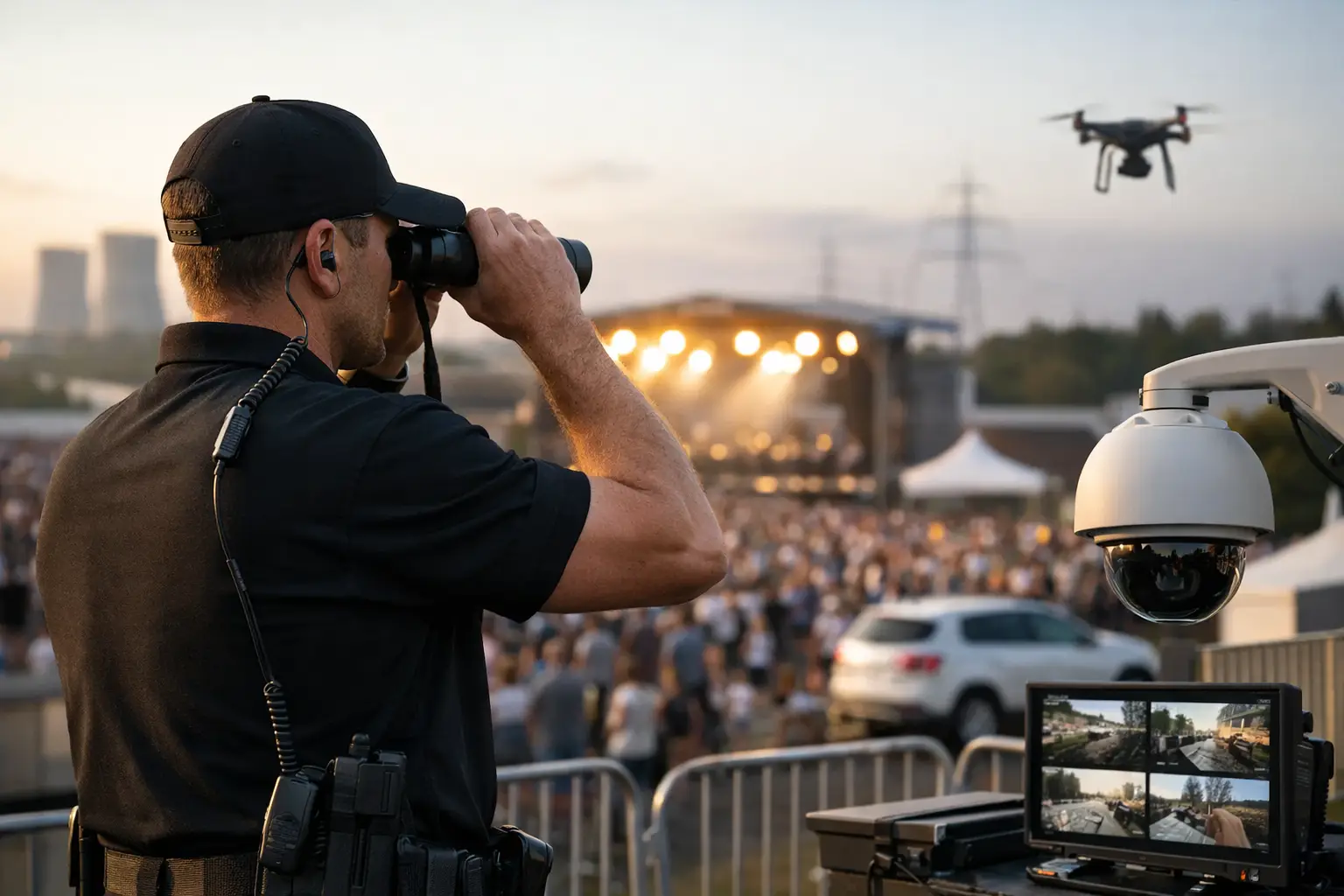
Security is commonly required for concerts, festivals, sporting fixtures, conferences, community events and private functions where crowd size, alcohol, high-profile guests or competing groups increase the likelihood of disorder. Even a well-run event can become exposed at entry points, queues, bars, transport pick-up areas and during egress.
The number of guards should not be selected by guesswork or a simple guest-to-guard ratio. A proper event assessment considers venue layout, alcohol service, expected audience behaviour, weather, emergency exits, artist or VIP movements, cash handling and the time required to obtain Police or medical support. Under-resourcing an event can create greater risk than having no formal plan at all, because staff and guests may assume a level of control that does not exist.
Sites with valuable, hazardous or sensitive assets
Construction projects, logistics facilities, vacant commercial properties, utilities, data environments and high-value storage sites often need security outside normal operating hours. Theft and vandalism are not the only concerns. Unauthorised access can lead to injury, fire, contamination, sabotage, evidence loss or serious project delay.
Guards are particularly valuable where conditions change during the shift and a fixed camera system cannot make decisions. A patrol officer can check that gates are secured, challenge unauthorised persons, identify damage, preserve a scene, escalate emergencies and provide accurate reporting. Cameras remain useful, but they are a detection tool, not a complete response capability.
Targeted people, executive travel and sensitive meetings
Personal protection should be considered when an executive, public figure, witness, visiting leader or high-net-worth individual faces a specific exposure. This may include credible threats, stalking, hostile media attention, contentious business activity, a public appearance or travel through unfamiliar locations.
A security guard at a building reception may be appropriate for general access control. It is not necessarily the right solution for discreet executive movement, advance planning, route assessment, hotel liaison or close-protection duties. These situations require personnel with suitable training, judgement and a low-profile operating style. The objective is to preserve freedom of movement and privacy, not create unnecessary theatre.
When Security Guards Are Required for Workplace Safety
Workplace security becomes essential when employees face recurring aggression, isolation or vulnerability that cannot be controlled through policy alone. This can apply to lone workers, staff handling cash or medication, teams working late, employees managing difficult customer interactions and personnel conducting field visits.
The key test is whether the existing controls work in real conditions. A written de-escalation policy offers limited protection to an employee who is alone in a car park after dark. Similarly, a duress alarm is only effective if there is someone capable of responding promptly and appropriately.
Security personnel can support a wider workplace safety framework through controlled entry, welfare checks, escort duties, incident response and accurate documentation. Yet guards should not be used as a substitute for sound management. Poor lighting, uncontrolled visitor access, inadequate staffing and unclear escalation processes can create risk that even experienced personnel must work around.
Choose the Right Level of Protection
The decision is not simply guard versus no guard. A proportionate security plan matches the capability to the threat. For some sites, this may mean mobile patrols and alarm response. For others, it may require a concierge-style corporate officer during business hours, dedicated static guards overnight, crowd controllers for an event, or close-protection personnel for a principal at risk.
Before deployment, decision-makers should establish what must be protected, who may cause harm, how an incident is likely to develop and what a successful response looks like. That assessment should also identify operational constraints: public access, privacy expectations, cultural considerations, emergency procedures, use-of-force boundaries and reporting requirements.
Clear instructions are essential. Security personnel need to know their authority, access zones, escalation thresholds, communication channels and the client representative who can make decisions. Without this clarity, even highly capable guards can be left reacting to uncertainty rather than controlling risk with precision.
Security Is Strongest When It Is Integrated
A guard presence is most effective when it sits within a coordinated protective system. Access control, CCTV, incident reporting, staff briefings, investigations, emergency plans and intelligence gathering should reinforce one another. If a theft pattern emerges, the response may require more than additional patrols. It may call for an investigation, changes to site processes and targeted monitoring of repeat offenders.
This is where sophisticated handling separates a basic guarding arrangement from genuine risk management. The right provider should be able to assess the problem, deploy elite personnel, maintain uncompromised standards of reporting and adjust the operation as conditions evolve. Discretion is equally important. A highly visible presence may deter opportunistic crime at one site, while a discreet protective posture is better suited to a corporate board meeting or sensitive private client assignment.
TNG Security combines government-licensed guarding with investigation, personal protection and risk-management capability, allowing clients to build a response around the actual exposure rather than a generic roster of guards.
The most useful time to appoint security is before a predictable incident tests your people, assets or reputation. If the risk is foreseeable, assess it early, define the level of control required and ensure the personnel placed on site have the authority, training and operational discipline to protect what matters.
Latest Posts
Aug. 22, 2026
When Are Security Guards Required in New Zealand?

Aug. 22, 2026
Bodyguard Versus Executive Protection Services
Aug. 22, 2026
Security for Events That Protects More Than People

Aug. 22, 2026
When Security Consultants Become Essential
Aug. 21, 2026