
A successful event can be undone in minutes by an uncontrolled queue, an aggressive patron, an unauthorised person reaching a restricted area or a poorly managed evacuation. Event security is not simply a visible presence at the gate. It is the disciplined planning, intelligence, people and command structure that protects guests, staff, performers, assets and reputation when conditions change.
For organisers, venue operators and corporate leaders, the standard should be higher than filling a roster of guards. The right security operation allows the event to feel welcoming and well run while retaining the capability to identify risk early, act decisively and document incidents properly.
Event security starts before the doors open
The most effective security work happens well before the first guest arrives. A risk-led assessment considers the event’s purpose, profile, location, audience, programme, access points and known sensitivities. A private corporate function for senior executives requires a different posture from a public festival, product launch, sporting fixture or music event.
The assessment should identify more than obvious concerns such as theft and disorder. Consider crowd density at particular times, alcohol service, cash handling, public-facing talent, protest activity, unauthorised media, vulnerable guests, conflicting groups, vehicle movements and the ability of emergency services to access the site. Where an event has high-profile attendees or an elevated public profile, personal security, privacy and travel arrangements may also require consideration.
This is where generic coverage can create false confidence. Two events with the same attendance figure may carry entirely different exposure. A 300-person awards evening in a controlled venue may need discreet access control and executive care. A 300-person outdoor event with alcohol, multiple entry points and limited lighting may need a more substantial crowd-management and response capability.
A clear security plan converts those risks into practical controls. It sets out who is responsible for decisions, how incidents are escalated, where staff are positioned, what areas require credentials, how lost children or vulnerable people are handled, and when an event should pause or evacuate. It also establishes communication protocols with venue management, production teams, medical providers and police where appropriate.
Build the event security operation around the site
Site design influences security outcomes as much as personnel numbers. Entry points, barriers, signage, lighting, queue lanes, staff access routes and emergency exits all affect how easily people can move safely through an event. Security should be involved early enough to influence the layout, rather than being asked to resolve design problems after infrastructure is already in place.
Entry management deserves particular attention. It is the point at which an operation can prevent prohibited items, intoxication, credential misuse and unauthorised access from becoming wider issues inside the venue. The approach must suit the event. Bag checks may be appropriate for one setting, while guest-list verification, discreet screening or vehicle access control may be more relevant in another.
Restricted areas also need credible boundaries. Backstage zones, control rooms, loading docks, green rooms, cash offices and executive spaces should not rely on a sign alone. Clear accreditation, physical separation and staff who understand the access rules reduce opportunities for confusion, intrusion and opportunistic theft.
Good crowd flow is equally important. Congestion is not merely inconvenient. It can lead to frustration, confrontations and safety concerns, particularly when a programme change or adverse weather pushes people towards the same area. Security personnel need sightlines, defined routes and the authority to manage movement before queues become flashpoints.
The quality of personnel changes the outcome
Event staff are often the first people guests approach when something feels wrong. They need the judgement to offer calm assistance, the confidence to set boundaries and the training to recognise when a minor issue is becoming an incident. Professionalism is visible in how personnel communicate, not just how they look at a checkpoint.
For higher-risk events, personnel selection matters. Experienced, vetted professionals with backgrounds in military, intelligence or law-enforcement environments can bring disciplined situational awareness and reporting standards to complex deployments. Their role is not to overreact. It is to read behaviour, maintain composure and apply the right level of intervention.
The security team must also understand the event’s service expectations. A formal government-adjacent function, luxury brand event or executive gathering may require a restrained, discreet posture. A large public event may call for a more overt presence that supports crowd control and visible reassurance. Neither model is inherently better. The right model is the one aligned with the actual risk profile and guest experience.
Licensing, supervision and briefing standards should be non-negotiable. Event organisers should know who is leading the deployment, how personnel are briefed, how relief coverage is managed and who retains authority during an incident. A capable security provider can explain this clearly before the event, rather than improvising it on the day.
Command, communications and incident control
Even a well-planned event will face unexpected pressure. A medical emergency, missing person, abusive guest, suspicious package, equipment failure or severe weather decision can test the entire operation. In those moments, unclear communication causes avoidable delay.
A defined command structure gives the team a common operating picture. Security leadership should have direct contact with the event director and key stakeholders, with reliable communications for frontline personnel. Radio discipline matters: messages should be concise, relevant and controlled. Sensitive details should not be broadcast unnecessarily, particularly where privacy or operational integrity is involved.
Incident response needs proportion. Not every disagreement requires removal, and not every concerning behaviour warrants a public confrontation. Skilled personnel assess immediacy, intent, vulnerability and the wider environment before deciding whether to observe, engage, separate, remove or escalate. This protects people while reducing the risk of an incident becoming a reputational event in its own right.
Documentation is part of professional control. Accurate incident reports, times, actions taken, witness details and relevant footage preserve the facts after the event. This may support internal review, insurance requirements, police engagement or follow-up investigation. It also gives organisers practical intelligence for future events, rather than relying on incomplete recollections.
When security and guest experience must work together
There is a common concern that strong security makes an event feel restrictive. Poorly designed security can do exactly that. Long queues, inconsistent access decisions and visibly frustrated staff damage the guest experience. The solution is not less security. It is better planning and more capable delivery.
A polished operation uses security as part of the event’s wider hospitality standard. Guests receive clear direction. Queues move with purpose. Staff are present without becoming intrusive. Issues are resolved quietly where possible, and key people have a direct route to assistance. This is especially important where executives, artists, speakers or high-net-worth guests require privacy without appearing isolated from the event.
Discretion must never mean a lack of preparedness. A low-profile team should still have clear contingency plans, suitable communications and the ability to rapidly reinforce a location if needed. The best operations often appear effortless because the difficult work has been completed in advance.
Choosing a security partner for a serious event
Price is a consideration, but it should not be the sole measure of value. A low hourly rate can become expensive when it results in underprepared personnel, weak supervision, poor reporting or an incident that disrupts the event and damages trust.
Ask potential providers how they assess risk, select personnel and manage command on the day. Establish whether they can support specialist requirements such as executive protection, private investigation, threat assessment, asset protection or operational logistics. Confirm their licensing status, coverage capability and experience with comparable events.
It is also worth testing how directly they communicate. A credible provider will ask detailed questions about the event, challenge assumptions where necessary and explain the rationale behind recommended controls. They will not promise that risk can be eliminated. They will show how it can be reduced, monitored and managed with absolute precision.
TNG Security brings this integrated approach to event environments across New Zealand, combining elite personnel with risk management, intelligence capability and sophisticated incident handling where the assignment demands more than standard guarding.
The right event security arrangement should leave organisers free to lead the occasion, confident that someone is watching the details that can affect its safety, continuity and reputation. That confidence is earned through preparation, disciplined people and operational control long before the doors open.
Latest Posts
Aug. 25, 2026
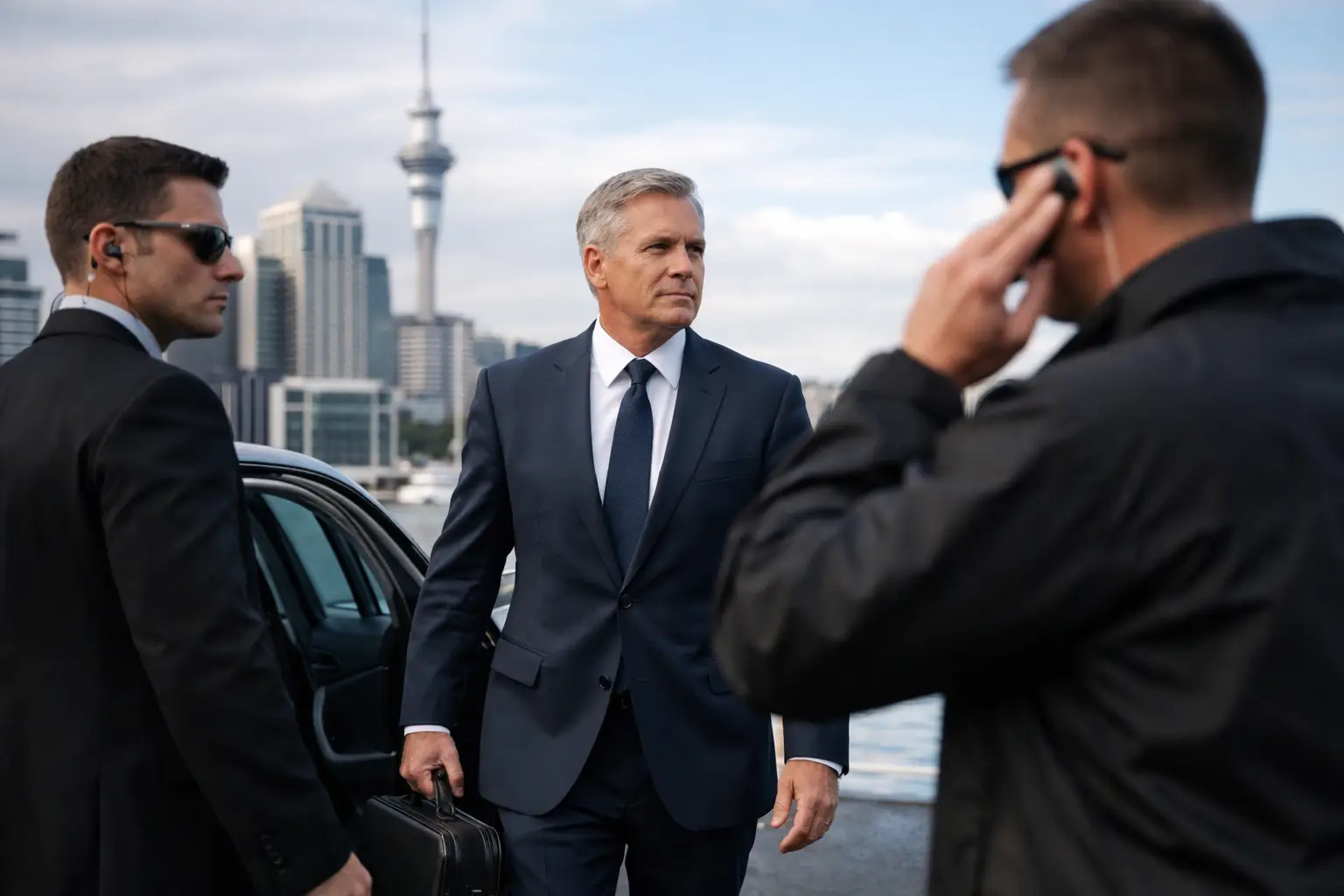
Best Security Protocols for Executives in NZ
Aug. 24, 2026
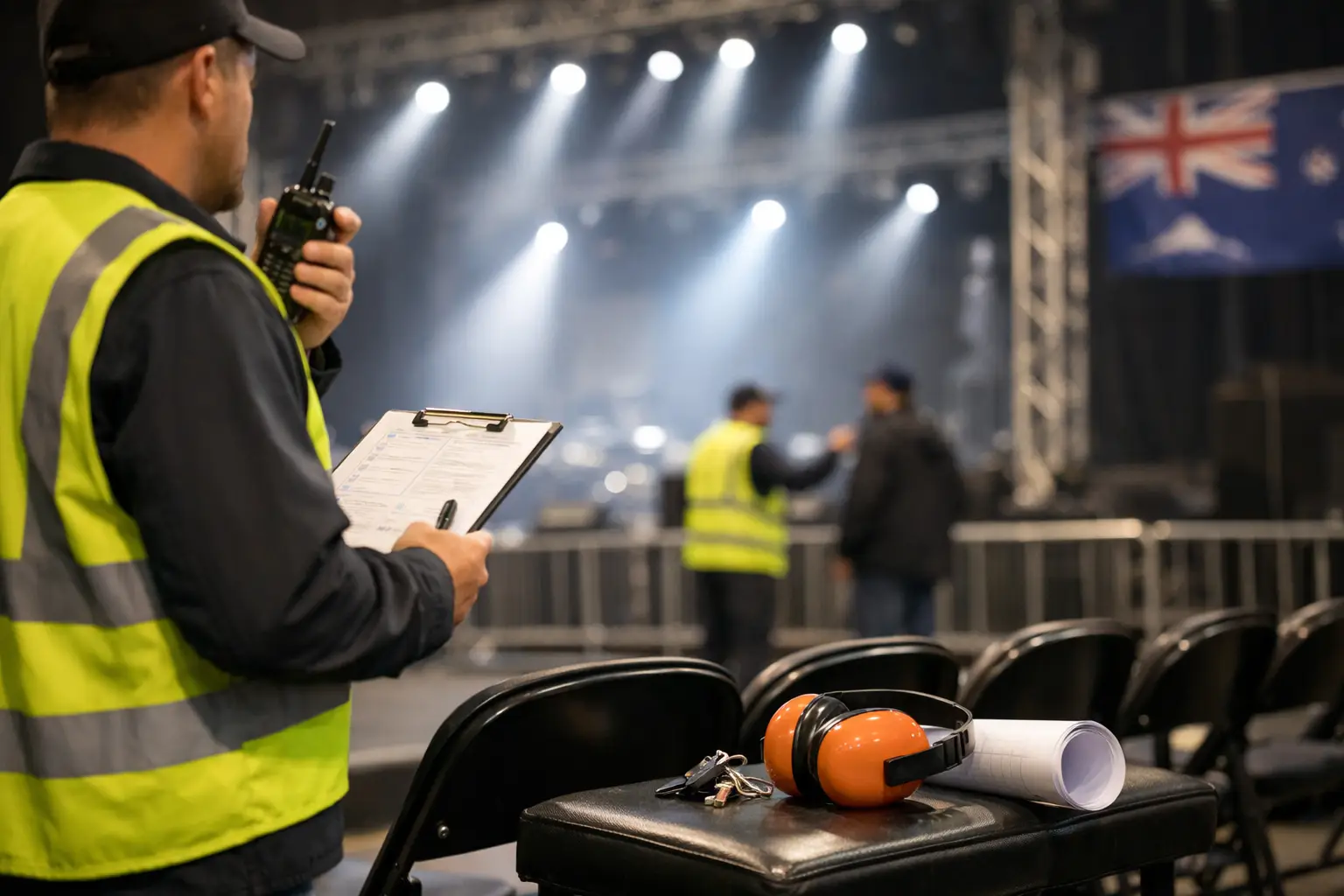
Venue Safety Requirements for New Zealand Events
Aug. 22, 2026
When Are Security Guards Required in New Zealand?
Aug. 22, 2026
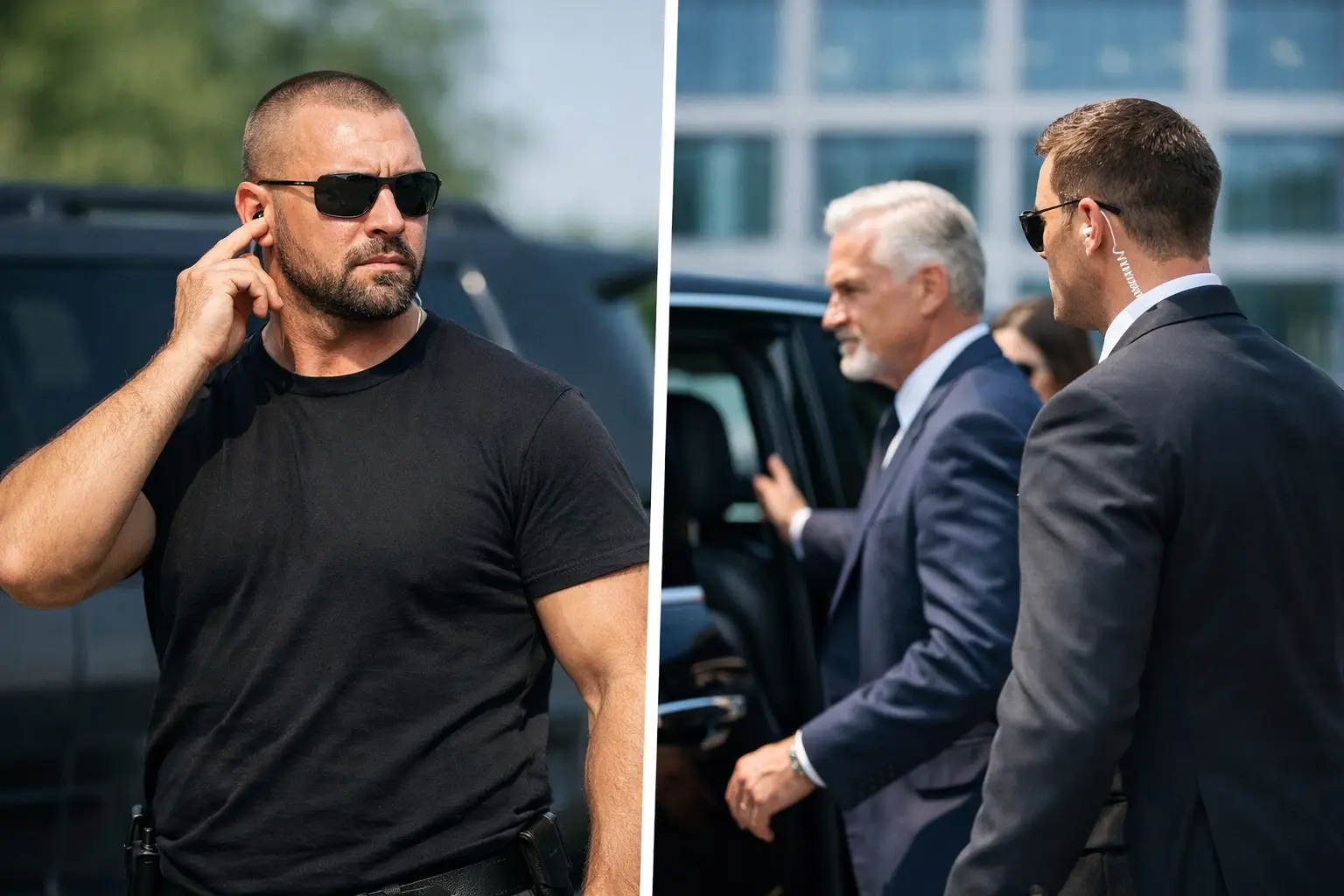
Bodyguard Versus Executive Protection Services
Aug. 22, 2026